Fix Tesla Auto-Park Issues: A Comprehensive Guide
 Tesla's advanced auto-park feature is designed to make parking seamless. However, challenges can arise, especially in areas without clearly defined spots. This guide aims to provide effective solutions to fix Tesla auto-park issues, drawing inspiration from innovative DIY methods that optimize your vehicle's parking efficiency.
Understanding Tesla Auto-Park Features
Alright, let’s chat about Tesla's auto-park technology. It's like having a super smart buddy that parks your car without you having to lift a finger! Tesla's auto-park uses a mix of cameras and sensors to spot and park in a suitable space. Imagine a bunch of little eyes and ears working together to make sure your car parks perfectly every time. I've seen it in action, and it's like watching magic unfold right in front of you.
So, how do these sensors work their magic? Tesla vehicles are loaded with parking sensors that help the car detect obstacles and find the best parking spot. These sensors are like the car's own personal radar system, making sure it knows what's happening all around. When I first tried it, I was amazed at how the vehicle seemed to "see" everything, like a superhero with super senses.
Now, let's talk about software updates. They're super important for keeping your Tesla auto-park feature in tip-top shape. Tesla regularly rolls out updates that enhance vehicle technology, improve parking efficiency, and fix any pesky bugs that might pop up. I always make sure to keep my software updated for the best user experience, because who wants to miss out on improvements that could make parking a breeze?
Common Tesla Auto-Park Problems
Even with all its fancy tech, sometimes Tesla’s auto-park can run into issues, like sensor recognition problems. There was this one time when my car refused to recognize a parking spot, and I felt like I was in a high-tech tug-of-war. Sensor issues can be a real pain, but understanding them is the first step to fixing them.
Environmental factors can also throw a wrench in the works. Things like rain, snow, or even too much sun can mess with the vehicle recognition and sensor function. I’ve had days where the sun’s glare made it tough for the sensors to spot a parking space, leaving me feeling frustrated and a bit sunburned.
When glitches happen, troubleshooting becomes your best friend. Restarting the system or recalibrating the sensors can sometimes work wonders. It's like giving the car a little nudge and saying, "Hey, I need you to get back on track!" Plus, getting familiar with the auto-park settings can help you better understand what’s going wrong and how to fix it.
DIY Solutions for Creating Effective Parking Spots
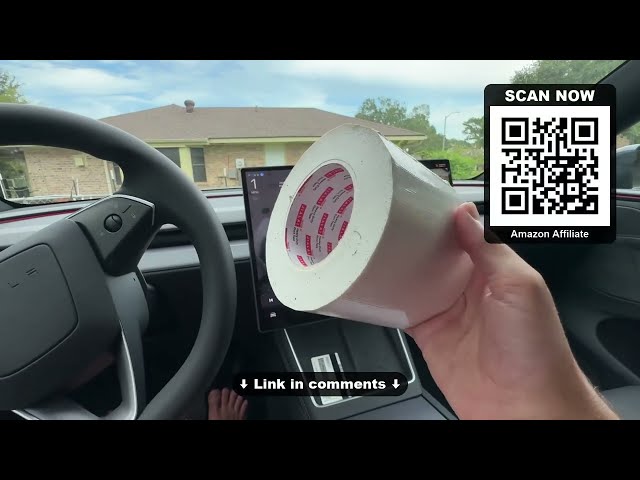
Who knew a bit of tape could make a world of difference in parking? Using tape to mark parking spaces can greatly enhance the auto-park feature. I tried it myself, and it’s like painting lines for your car to follow—simple, but oh-so-effective. All you need is some contrasting tape, and boom, you’ve got a DIY parking guide!
Contrast is key when it comes to parking spot visibility. If the parking area doesn't stand out, the sensors might miss it. I’ve found that using bright, contrasting colors helps the sensors pick up the spot better, reducing the chance of a parking mishap. It’s like giving your car a pair of bright, new glasses.
As for materials, not all tape is created equal. I recommend using durable, weather-resistant tape that can withstand environmental challenges. I’ve experimented with a few options, and finding the right tape was like hitting the jackpot—a simple yet powerful fix for parking obstacles.
Tips for Optimizing Your Tesla’s Parking Performance
Keeping your Tesla's parking performance top-notch involves regular vehicle maintenance, especially sensor calibration. I make it a habit to check the sensors every few months, ensuring they’re clean and functioning properly. It’s like giving your car a mini spa day to keep it in peak condition.
Clear visibility is crucial for effective auto parking. I always ensure the area around my parking spot is free from obstructions and that the sensors have a clear line of sight. It’s a small step that makes a big difference in parking accuracy and user satisfaction.
Adapting to environmental conditions is also part of the game. Whether it's a rainy day or a sunny afternoon, being aware of how these factors affect your car’s performance is key. I’ve learned to adjust my parking techniques based on the weather, making parking less of a hassle and more of a smooth experience.
Advanced Auto-Park Settings and Adjustments
Exploring Tesla’s auto-park configuration options can open up a world of customization. The settings allow you to tweak the auto-park feature to match your unique parking needs. I’ve spent time fiddling with these settings, and it’s like tuning a guitar—getting everything just right for the perfect sound.
Customizing your settings can help with specific parking challenges. Whether you have a narrow garage or a spacious driveway, adjusting the auto-park settings can optimize the feature for any situation. It’s like having a personal parking assistant that knows exactly what you need.
Looking ahead, future updates and feature enhancements promise even better auto-park performance. Tesla is always innovating, and staying updated means you’ll have access to the latest and greatest in vehicle technology. It’s exciting to think about what’s next and how these updates will improve our driving experience.
Real-Life Case Study: Fixing Auto-Park with DIY Tips
Let me share my personal experience using tape to enhance my Tesla’s auto-park. One day, I decided to mark my parking spot with tape, and it was a game-changer. My car suddenly had no trouble recognizing the space, and I felt like a parking pro!
When it comes to tape colors and sizes, I tried a few different options. Bright colors like neon yellow or orange seemed to work best, making the spot highly visible to the sensors. It was like finding the perfect pair of shoes—once you’ve got it, everything just clicks.
Of course, environmental challenges can still pose a problem. I faced rain and snow, which sometimes made the tape less effective. But adapting my approach, like repositioning the tape or cleaning the area, helped maintain the parking efficiency. It’s all about finding adaptive solutions that work for your specific situation, making the whole process feel like a fun DIY project.

Pros & Cons
Pros
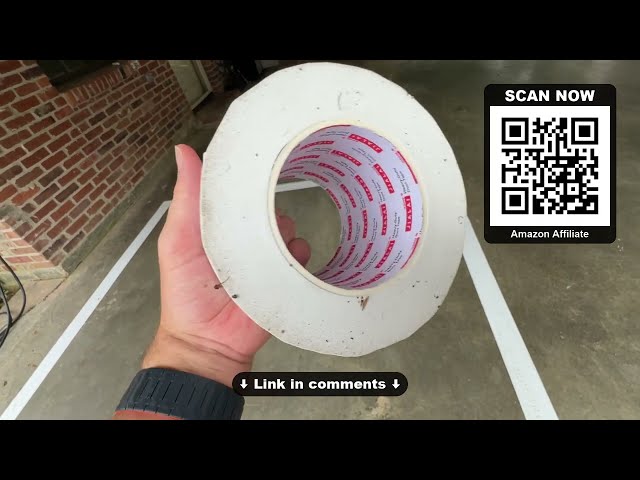
- The 4-inch wide tape is large enough to create a clear parking spot for the Tesla, ensuring it recognizes the area effectively.
- Sticks well to the ground even in humid conditions, maintaining its adhesion despite wet weather.
- Easy to replace; if the tape gets damaged, simply cutting a new piece and sticking it down is a quick fix.
- Available in multiple colors, allowing customization based on floor color for better contrast and visibility.
Cons
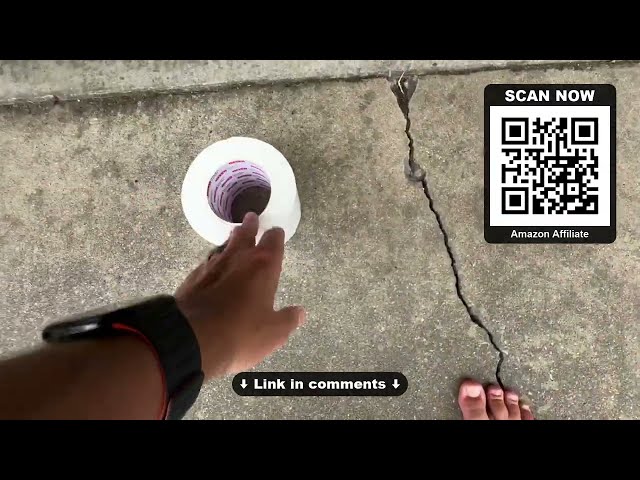
- Heavy vehicles like the Tesla can cause wear on the tape, leading to potential damage over time.
- The tape may not hold up as well in extreme weather conditions outside of its intended use, such as excessive heat.
- Some users might find the setup process slightly confusing, as the effectiveness can depend on the tape's placement and contrast with the surface.
Ratings
- Auto-Park Technology: 5
- Sensor Performance: 4
- Software Updates: 5
- Ease of Use: 4
- Environmental Adaptability: 3
- Customization Options: 5
- DIY Enhancements: 4
- Durability of Tape: 3
- Overall User Experience: 4
Thanks for reading — DAD OUT!


Comments