Best Thyme Seeds for Small Gardens
Types of Thyme Seeds Suitable for Small Gardens
When it comes to heirloom thyme seeds, these little gems are like a time machine for your garden. They carry the legacy of traditional gardening, offering varieties that have stood the test of time. Personally, I’ve found growing heirloom seeds to be an exciting journey, especially when you think about the unique flavors and resilience they bring to a small garden. Plus, there's something special about knowing your thyme has a rich history.
For those of us who are health-conscious, non-GMO thyme seeds are a solid choice. They promise you’re getting a natural, unaltered product, which is a big deal if you’re into organic gardening. I've tried them myself, and there's peace of mind in knowing you're growing herbs without any genetic modifications. This means you get to enjoy pure, flavorful herbs straight from your garden.
If you’re working with limited space, compact thyme varieties are your go-to. These types are bred to thrive in small gardens, making them perfect for balconies or small backyard patches. I remember planting these in my tiny urban garden, and they fit right in without crowding out the other plants. It’s all about maximizing that precious space while still enjoying fresh herbs.
Thyme seed varieties tailored for different climates are crucial for gardeners facing diverse weather conditions. Whether you’re in a hot, dry area or a cooler zone, there’s a thyme variety that’s likely to thrive. I’ve experimented with a few types to find the best fit for my local climate, and it makes all the difference in the world. It’s like giving your garden a local accent.
Planting and Germinating Thyme Seeds
Timing is everything when it comes to planting thyme seeds. The best time to plant is usually in the spring, after the last frost. I’ve learned the hard way that starting too early can lead to disappointment, so patience really pays off. Waiting for the right moment ensures your seeds have the best chance to grow strong and healthy.
Soil preparation is key for thyme seeds to thrive. You want well-draining soil, ideally mixed with a bit of sand to mimic their natural Mediterranean habitat. I always make sure to loosen the soil well and add some organic matter, like compost, to give those seeds a nutritious start. It’s like setting up a cozy home for them to grow.
Germination is where the magic happens, but it requires a bit of patience. Typically, you can expect to see sprouts in about 2 to 4 weeks, depending on the conditions. Keeping the soil consistently moist but not waterlogged is a balancing act I’ve mastered over time. It’s rewarding to see those first tiny green shoots appear.
To maximize germination rates, consider using a seed-starting mix and covering the seeds lightly with soil. Ensuring they get enough light and warmth is also crucial. From personal experience, placing the seeds on a sunny windowsill works wonders. It’s all about creating the perfect environment for those little seeds to spring to life.
Caring for Thyme Plants in Small Gardens
Finding the best location for thyme plants is essential for their growth. Thyme loves full sun, so aim for a spot that gets at least 6 to 8 hours of sunlight daily. I’ve noticed that my thyme plants thrive on the sunnier side of my garden, where they soak up the rays and bask in the warmth. It’s like they’re sunbathing and loving every minute of it.
Watering thyme plants can be a bit tricky, as they prefer being on the drier side. You want to keep the soil moist but never soaked. I’ve learned to water them deeply once a week, allowing the soil to dry out in between. This approach keeps the roots healthy and prevents rot, which thyme is quite prone to.
Proper spacing and pruning are important to encourage healthy growth and branching. Give each plant about a foot of space to spread out. Pruning regularly helps keep them bushy and productive. I usually snip off the top few inches every so often, which not only helps with growth but also supplies me with fresh thyme for cooking.
Common growth issues can be frustrating, but with a bit of troubleshooting, they’re manageable. Watch out for signs of overwatering or pests like aphids. Over the years, I’ve dealt with my fair share of challenges, and a little observation goes a long way. Healthy garden habits can prevent most issues before they even start.
Harvesting and Using Thyme in the Kitchen
Knowing the right time to harvest thyme is crucial for flavor and plant health. The best time is just before the plant blooms, when the leaves are most flavorful. I’ve found that early morning, after the dew has dried, is perfect for harvesting. The leaves are full of essential oils, giving them a punch of flavor in the kitchen.
When it comes to harvesting, use sharp scissors or pruning shears to cut the stems. This method minimizes damage to the plant and encourages new growth. I like to snip just above a leaf node, ensuring the plant stays bushy. Once cut, I either use the thyme immediately or store it for later use.
Culinary uses of thyme are diverse and delicious. Its earthy, slightly minty flavor pairs well with a variety of dishes, from roasted meats to soups and stews. In my kitchen, thyme is a staple for everything from seasoning roasted potatoes to enhancing the flavor of homemade bread. It’s versatile and always adds a special touch.
Drying thyme is a simple way to preserve its fresh flavor. Hang the stems upside down in a warm, dry place, or use a dehydrator if you’re in a hurry. Once dried, I crumble the leaves and store them in an airtight container. It’s a handy way to keep that fresh garden taste alive even in the off-season.
Sustainability and Seed Saving
Saving seeds from heirloom thyme plants is a great way to ensure garden resilience. Once the flowers have faded, I collect the tiny seeds and store them in a cool, dry place. It’s a satisfying process, knowing that I’m preserving a piece of my garden for the future. Plus, it saves money and keeps me connected to my plants year after year.
Creating a seed bank offers numerous benefits, especially for small garden enthusiasts. It ensures you have a steady supply of seeds adapted to your local conditions. I’ve started my own little seed bank at home, and it’s become a cherished part of my gardening routine. It feels like an investment in my garden’s future.
Encouraging biodiversity through seed saving is a win for the environment. By preserving a variety of thyme seeds, we support ecological balance and plant health. I love the idea of contributing to biodiversity, knowing that my small actions can have a big impact. It’s a way to give back to nature while enjoying a rich garden.
Community seed exchange ideas are fantastic for building networks of local gardeners. Sharing seeds and experiences creates a sense of camaraderie and learning. I participate in local seed swaps whenever I can, and it’s always exciting to come home with new varieties to try. It’s like being part of a growing community of garden enthusiasts.

Pros & Cons
Pros
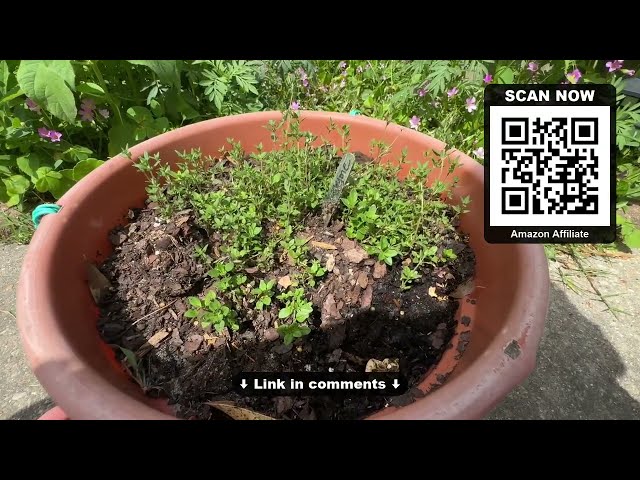
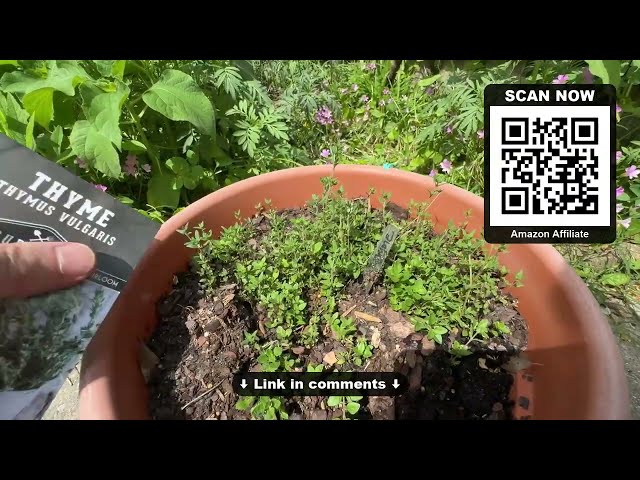
- Seeds germinated quickly within the expected 14 to 21 days.
- Non-GMO and heirloom seeds allow for seed saving year after year.
- Instructions provided for planting and harvesting are clear and easy to follow.
- Fresh thyme can be harvested directly from the garden, enhancing the flavor of dishes.
Cons
- Germination success may vary based on local soil conditions and temperature fluctuations.
- Requires full sun exposure, which may not be ideal for all garden locations.
- Instructions suggest starting seeds indoors, which may not suit gardeners who prefer direct planting.
Ratings
- Seed Germination Rate: 4
- Non-GMO & Heirloom Quality: 5
- Ease of Planting Instructions: 5
- Flavor Enhancement: 5
- Adaptability to Local Conditions: 3
- Sunlight Requirement: 3
- Indoor vs. Outdoor Planting Flexibility: 2
Thanks for reading — DAD OUT!


Comments